

Glorinda’s services
Advanced oxidation & on-site
hydrogen peroxide generation
At Glorinda, we design and deliver on-site hydrogen peroxide systems that generate oxidant directly from water, air, and electricity, removing trace organic contaminants without the transport, storage, or handling risks of bulk chemical delivery.
Advanced oxidation & on-site hydrogen peroxide generation
Hydrogen peroxide produced on site from water, air, and electricity. No deliveries, bulk storage, or handling exposure, with an oxidant strong enough to treat trace organics.
Glorinda, in partnership with HPNow, provides sustainable hydrogen peroxide solutions for clean water and sanitation in municipal and industrial applications. GOgen® technology produces high-purity hydrogen peroxide directly from water, air, and electricity, offering a safe, efficient solution designed for decentralised use.
Your solution can be on-site H₂O₂ and AOP.
“Hydrogen sulphide odour is generating complaints”.
What problem does it solve?
On-site generation changes the economics of oxidation. Bulk peroxide requires deliveries, storage, permits, handling procedures, and safety measures. Generating hydrogen peroxide on demand removes these requirements and provides an autonomous system with no chemical inputs.
Benefits
No chemical logistics
Reduced chemical usage, lower logistical and handling costs, and improved supply reliability and occupational safety. Eliminates transport, storage and safety risks entirely.
Fully autonomous
A fully autonomous system with no chemical inputs. It starts with water and ends with water; the membrane-based electrolyte design removes the need for handling liquid chemicals or gaseous hydrogen.
Modular and scalable
The system is modular and scalable, with cells that can be stacked to meet different capacity needs; so a pilot duty and a full plant duty use the same technology.
Chlorine-free chemistry
Replaces corrosive chlorine, reduces corrosivity and improves cooling efficiency while extending system lifespan. No corrosion, salinity or toxic byproducts.
Real oxidation power
Hydrogen peroxide removes trace organic contaminants, pharmaceuticals, cosmetics, pesticides, with zero chemical residues and enhanced discharge compliance.
Lower footprint
Also reduces the carbon footprint and overall environmental impact of water treatment, and it is compatible with renewable power for zero-emission oxidation.
How it works
The technology produces high-purity hydrogen peroxide directly from water, air and electricity. Oxygen from air is reduced electrochemically in the presence of water; the membrane-based electrolyte design means the solution is generated without the need for gaseous hydrogen or water vapour, and without handling liquid chemicals.
Downstream, the peroxide is dosed into the duty it serves. For advanced oxidation, UV activation generates hydroxyl radicals that attack organic contaminants conventional treatment leaves behind.
01
Generation
Direct electrochemical production of hydrogen peroxide from water, air and electricity. Safe, efficient and designed for decentralised use, with stackable cells for different capacities.
02
Storage and dosing
The generated peroxide is held in a reservoir and dosed by pump into the line being treated. Because generation is continuous and on demand, the reservoir is small compared with a bulk chemical installation.
03
Oxidation duty
Depending on the application: direct oxidation of contaminants, UV-activated advanced oxidation for trace organics, biofilm control in closed loops, or hydrogen sulphide neutralisation for odour control.
Typical usages
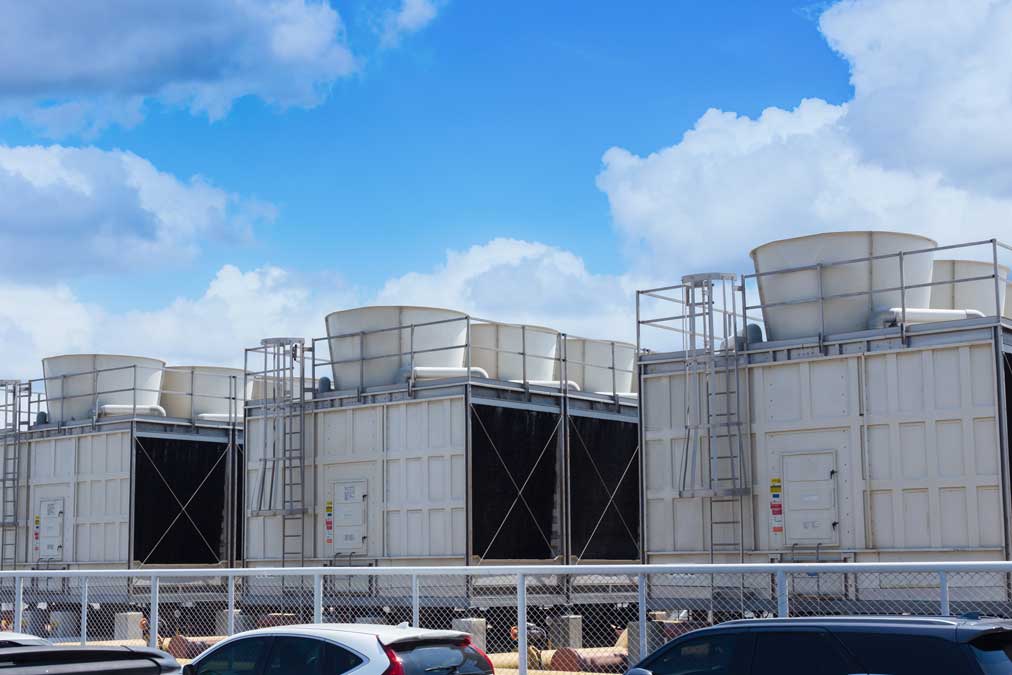
- Biofilm prevention in closed cooling loops
- Chlorine replacement in cooling water treatment
- Hydrogen sulphide neutralisation for odour control
- Discharge compliance polishing on industrial effluent
- Chemical-free disinfection where residues are unacceptable
- Remote sites where chemical delivery is impractical
- Renewable-powered zero-emission oxidation
Where this is used
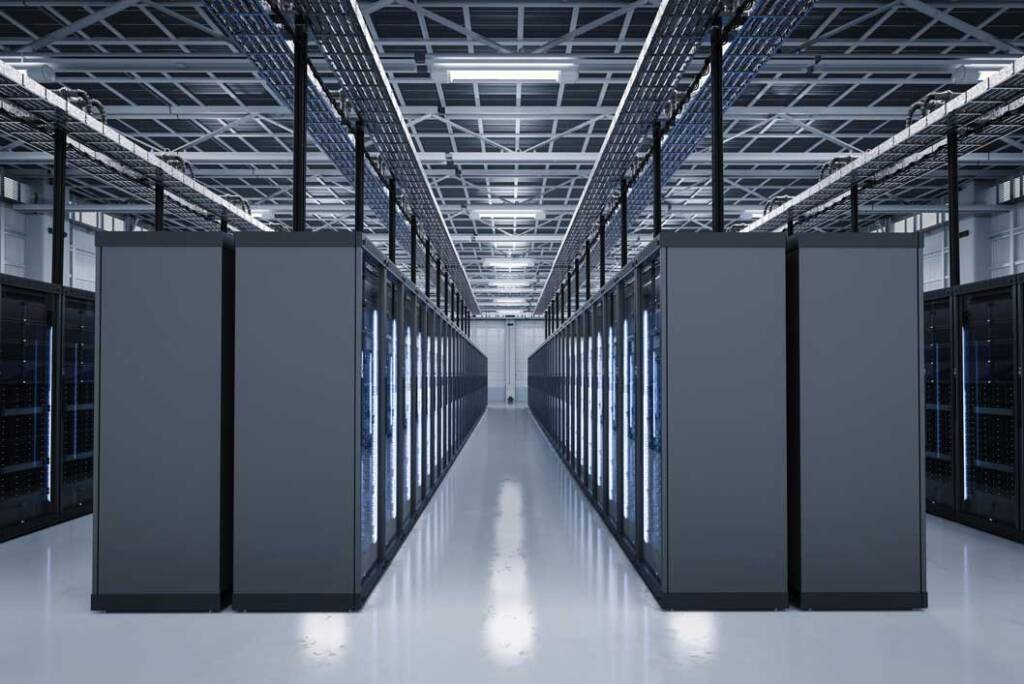
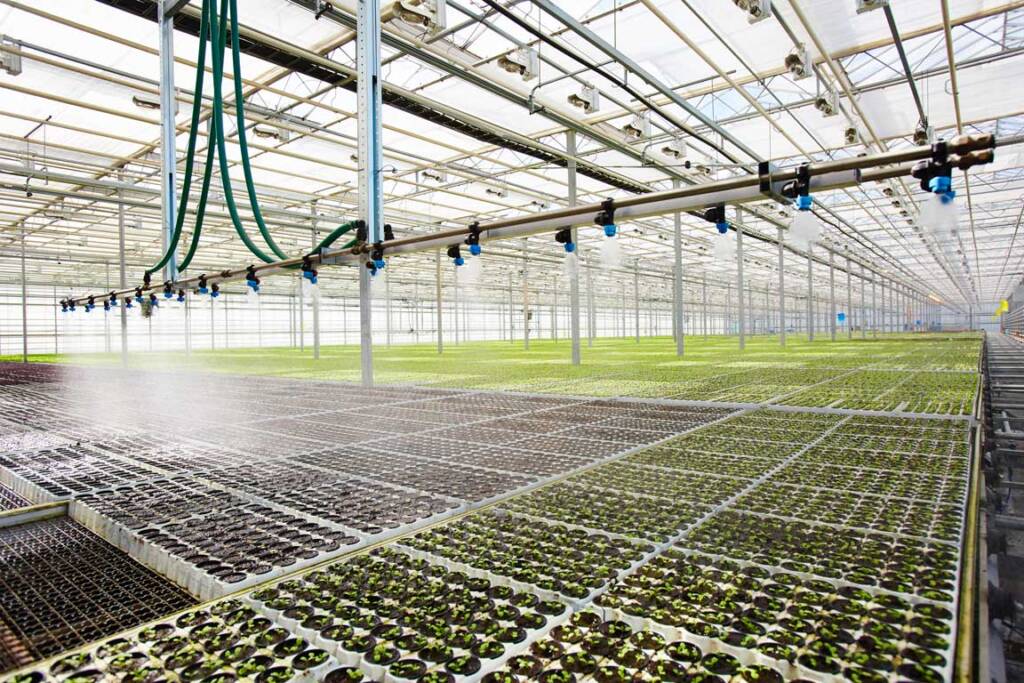
On-site hydrogen peroxide generation is applied wherever oxidant needs to be produced safely and consistently without the risks of bulk chemical transport and storage. Glorinda, in partnership with HPNow, delivers these systems across industrial, municipal, agricultural, food and beverage, data center, and electronics applications, including cooling water treatment, effluent treatment, and advanced oxidation for trace organic removal.
Oil, Gas and Petrochemical
Power generation
Food and Pharma
Chemical
Steel
Mining
Textile
Pulp and paper
Petrochemical
Which treatment train suits your needs?
Selecting a boiler feed water and cooling water system is an engineering decision, not a purchasing one. We evaluate your water analysis, steam pressure, and site utilities, compare the options on capital and operating cost, and act as owner’s engineer while somebody else builds it if that suits you better.
Related technologies
Minimum liquid discharge (MLD)
Around 85% recovery on membrane technology alone, at a fraction of thermal cost.
Open ENV · TechnologyMembrane & Filtration
UF, NF, ceramic and silicon carbide membranes selected against your actual foulants.
Open ENV · TechnologyAnaeroMBR
Treat high-COD load and produce biogas instead of paying to aerate it away.
Open ENV · TechnologyAOP & On-site H₂O₂
Generate hydrogen peroxide from water, air and power — no chemical deliveries.
Open ENV · TechnologySludge Management
Dewater, dry and where it pays, incinerate — cutting haulage before it starts.
Open ENV · TechnologyDesalination
Seawater and brackish water plants with pretreatment matched to the intake.
Open ENV · TechnologyBoiler & Cooling Water
Demineralisation, condensate polishing and blowdown recovery for utility systems.
Open ENV · TechnologyZero Liquid Discharge
Typically the final stage of treatment for high-salinity industrial wastewater.
Open ENV · TechnologyWaste Management
Incineration and leachate collection and treatment, with energy recovery built into both.
OpenFrequently asked questions
Directly from water, air and electricity, by electrochemical reduction of oxygen. The membrane-based electrolyte design means the solution is generated without gaseous hydrogen or water vapour and without handling liquid chemicals.
The system is modular and scalable; cells stack to meet different capacity needs, so the same technology covers a small municipal duty and a large industrial one. Tell us the dose rate and flow and we will size it.
It depends on your site. The direct chemical price is only part of it: the comparison also has to include delivery, storage, permits, handling procedures, dilution losses and the safety case. On remote sites, and on sites where chemical storage is constrained, on-site generation usually wins comfortably.
That is one of its main duties. It prevents biofilm buildup in closed-loop systems, replaces corrosive chlorine, reduces corrosivity and improves cooling efficiency while extending system lifespan with no salinity or pH change.
Take this further
Send us the stream data, the discharge limit or the equipment list you are working from. An engineer reads every enquiry and replies with the questions that actually decide the solution, not a brochure.