

Glorinda’s services
Zero Liquid Discharge
At Glorinda, we design and deliver ZLD systems that recover water to near 100% and convert dissolved contaminants into a manageable solid, eliminating the need for continuous liquid waste disposal.
Zero Liquid Discharge
Zero Liquid Discharge is typically the final stage of treatment for high-salinity industrial wastewater. Rather than diluting or discharging residual contaminants, ZLD recovers nearly all the water in the stream and converts the remainder into a solid by-product.
Your solution can be ZLD
“We're struggling to meet discharge regulations”.
What problem does it solve?
Discharge limitations constrain expansion, increase regulatory risk, and add ongoing disposal cost. Glorinda’s ZLD systems eliminate this at the source, rather than treating it incrementally.
Benefits
Near-100% water recovery
Evaporator product water below 100 ppm TDS — crystal-clear and suitable for cooling towers and boiler feed.
Compliance & no discharge
Complete treatment of process wastewater so environmental standards are met and liquid discharge approaches zero.
24/7 automatic operation
Automatic CIP and rinsing without operator intervention; the system runs continuously.
Value from the solids
Solid output has value! compost, fuel, fertiliser, feed, or salt, depending on the stream.
How it works
Every ZLD system is engineered around the wastewater it treats: its volume, composition, and required recovery rate. Pre-treatment is designed first, since it drives the performance and cost of every following stages.
01
Pre-treatment
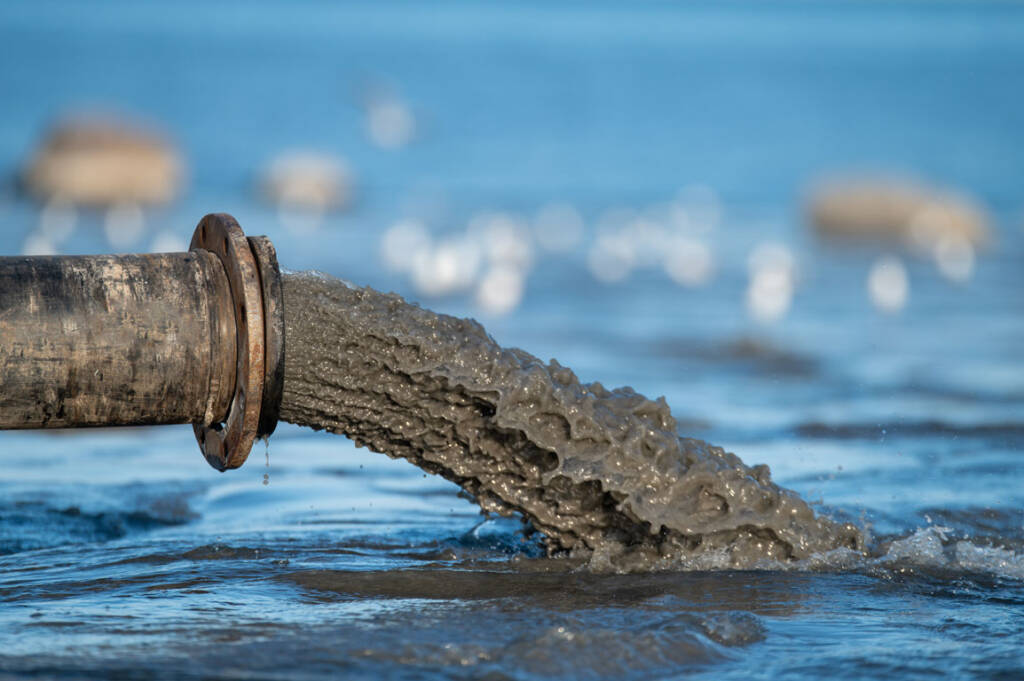
Pre-treatment removes solids and scaling species before evaporation. For complex streams, this is often the most technically demanding stage. Glorinda selects from dissolved air flotation, reverse osmosis, ultrafiltration, CCRO™, HART™, and other technologies based on the wastewater’s characteristics.
02
Evaporation
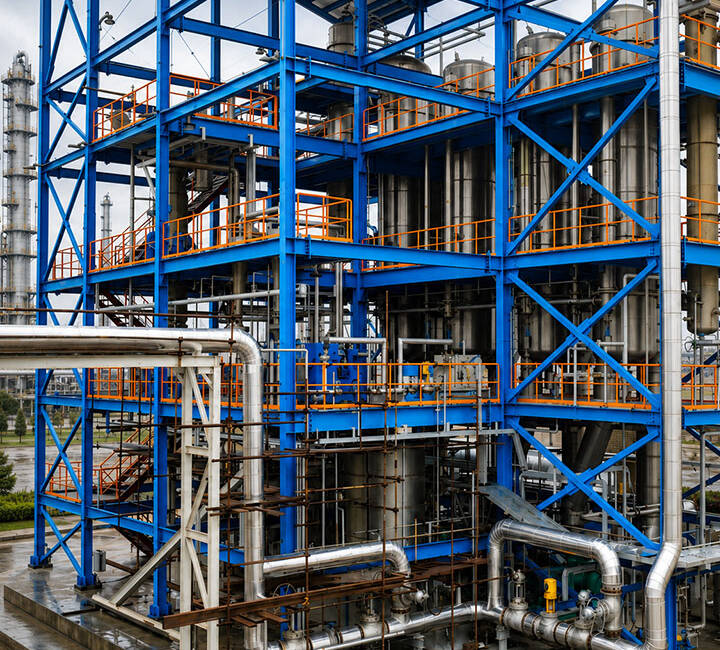
Pre-treated wastewater enters the evaporators. Glorinda selects from MEE, MVR, MSF, or FCE based on process conditions and volume. Output water is below 100 ppm TDS, suitable for reuse in cooling towers and boiler feed.
03
Crystallisation
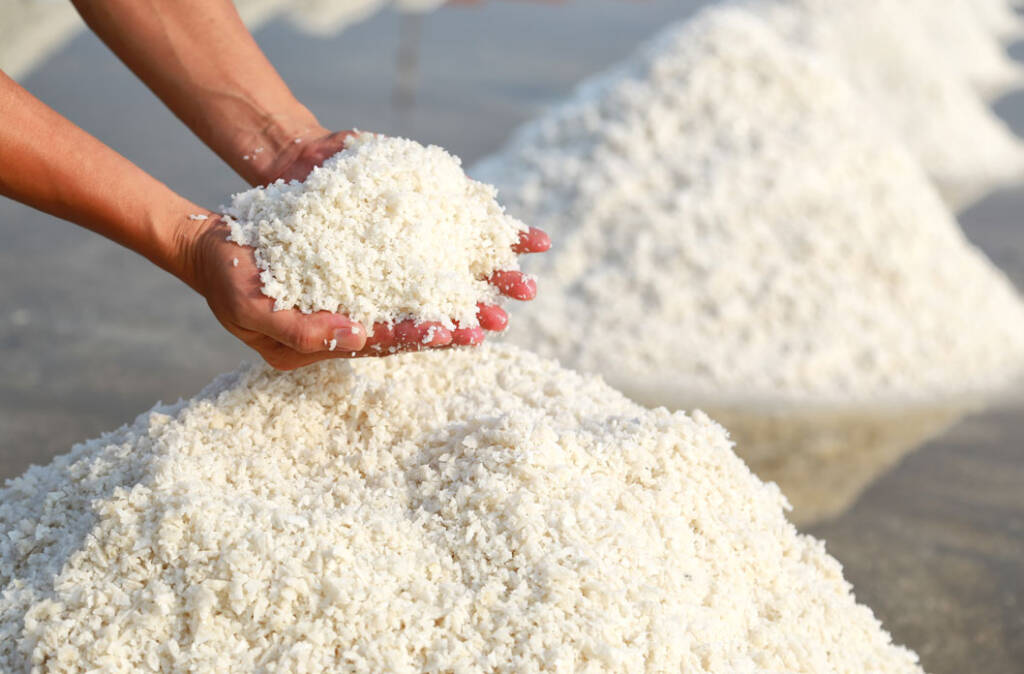
Crystallisation separates dissolved solids from the concentrated brine, recovering them as a solid product and reducing liquid waste volume. A centrifuge then reduces moisture content before drying.
04
Drying
The dryer removes remaining moisture from the centrifuge output, determining the final moisture content of the solid. Ventilation controls dust dispersion. Dryer types include scraped surface, agitated thin-film (ATFD), steam tube rotary, spray, and fluidised bed.
05
Managing the solid output
The solid output follows one of five routes, in order of preference:
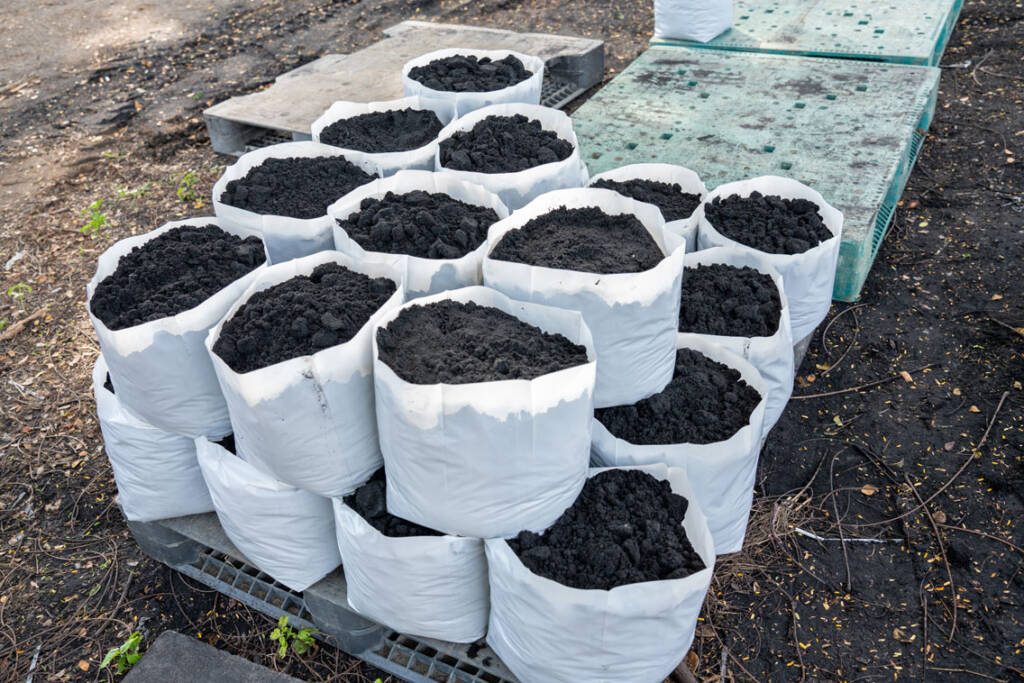
- – Organic compost: moisture reduced to 30% w/w
- – Backup fuel: incinerated at approximately 70% w/w concentration
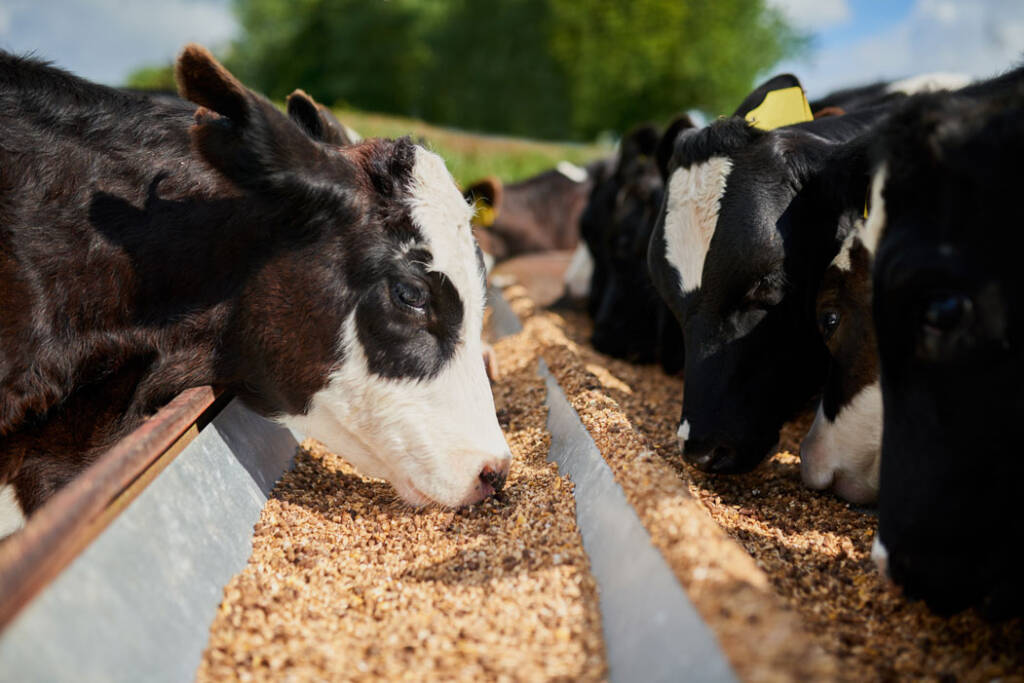
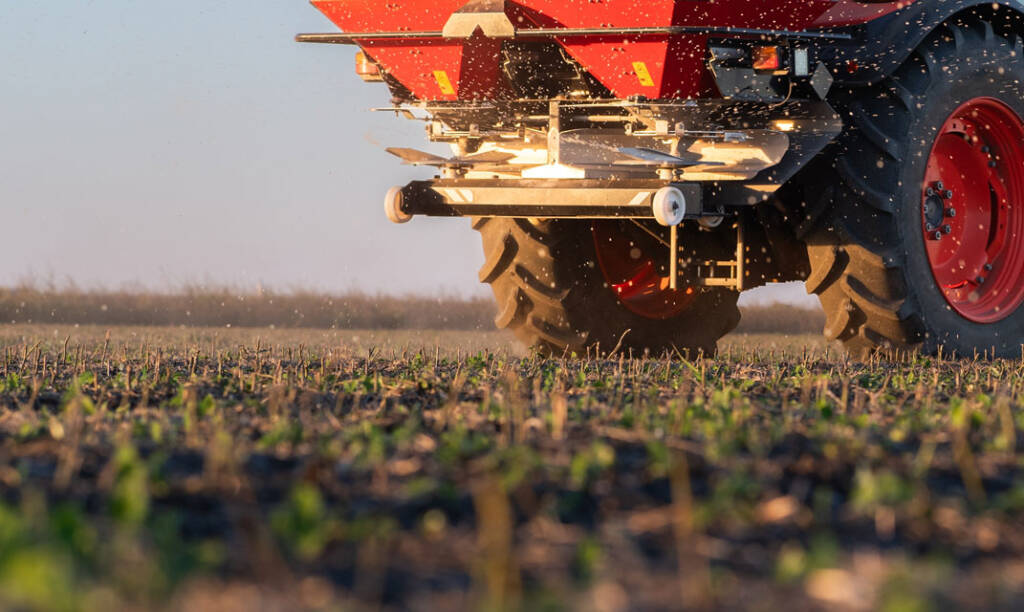
- – Fertiliser or animal feed: dried to 98% w/w
- – Saleable salt: separated by crystallisation
- – Disposal: complete drying or landfill, where none of the above applies
Typical usages
- Concentration of RO reject
- Concentration and disposal of high COD streams
- Recovery of dissolved solids
- Solvent recovery
- Sites operating under a zero-discharge permit condition
- Cooling tower blowdown that has nowhere to go
- FGD wastewater from coal-fired power plants
- High-TDS effluent from reactive dyeing and printing
- Ammonia and nitrogen-bearing condensate from fertilizer plants
Where this is used
Zero Liquid Discharge (ZLD) technology is designed and customised according to each customer’s specific requirements.
Glorinda develops tailored ZLD solutions for industrial wastewater treatment across a wide range of industries, ensuring efficient water recovery and effective management of dissolved contaminants.
Oil, Gas and Petrochemical
Power Generation
Food and Pharma
Cement
Steel
Rubber Manufacturing
Palm Oil
Mining
Textile
Wood and Paper
Electronic Industries
Consumer Goods Manufacturing (CGMF)
Which ZLD systems suits your needs?
Selecting a process is an engineering decision, not a purchasing one. We run feasibility and pre-feasibility studies, characterise the stream, compare the routes on capital and operating cost, and act as owner’s engineer while somebody else builds it if that suits you better.
Where the cost of ZLD is actually decided
Three levers dominate.
First, pre-treatment: every kilogram of solids and every scaling species removed before the evaporator is capacity you do not have to buy.
Second, evaporator selection: MEE, MVR, MSF and FCE have very different energy and maintenance profiles, and matching that profile to the utilities you already have on site is where the operating cost is set.
Third, the solid output route: a residue that can be composted, burned or sold behaves completely differently on the balance sheet from one that has to be landfilled as hazardous waste.
What we do on a ZLD project?
01
Feasibility
Technical and commercial feasibility, technology evaluation and cost/profitability analysis before capital is committed.
02
Engineering
Conceptual, basic and detailed engineering, process packages and specification of the equipment that will actually be bought.
03
Delivery
Procure materials and equipment from in-area manufacturers or use Glorinda-developed technologies, depending on what the project needs.
04
Commissioning
Installation supervision, testing, start-up and the training that lets your team run the plant.
05
Support
Operation, troubleshooting, process optimisation, maintenance and spare parts for the life of the asset.
Related technologies
Minimum liquid discharge (MLD)
Around 85% recovery on membrane technology alone, at a fraction of thermal cost.
Open ENV · TechnologyMembrane & Filtration
UF, NF, ceramic and silicon carbide membranes selected against your actual foulants.
Open ENV · TechnologyAnaeroMBR
Treat high-COD load and produce biogas instead of paying to aerate it away.
Open ENV · TechnologyAOP & On-site H₂O₂
Generate hydrogen peroxide from water, air and power — no chemical deliveries.
Open ENV · TechnologySludge Management
Dewater, dry and where it pays, incinerate — cutting haulage before it starts.
Open ENV · TechnologyDesalination
Seawater and brackish water plants with pretreatment matched to the intake.
Open ENV · TechnologyBoiler & Cooling Water
Demineralisation, condensate polishing and blowdown recovery for utility systems.
Open ENV · TechnologyZero Liquid Discharge
Typically the final stage of treatment for high-salinity industrial wastewater.
Open ENV · TechnologyWaste Management
Incineration and leachate collection and treatment, with energy recovery built into both.
OpenFrequently asked questions
Mostly upstream of the evaporator. Effective pre-treatment reduces the number of evaporators required and lowers overall cost. Matching the evaporator type to the utilities you already have — waste steam, surplus power, available cooling — is the second lever. The third is finding a solid output route with value: compost, backup fuel, fertiliser, animal feed or saleable salt all beat hazardous disposal.
ZLD is designed and customised to the specific wastewater rather than sold as a standard model. We have designed for oil and gas, petrochemical, power, textile, pharmaceutical, food, cement, steel, mining, paper, electronics and municipal applications. The starting point in every case is the wastewater analysis.
Yes. We take a comprehensive approach to executing ZLD projects, overseeing the process from pre-treatment to the final stages: analysis, technology selection, procurement, installation, commissioning, operation, operator training and after-sales services. We also supply single stages into a wider EPC scope.
The output water from the evaporator is crystal clear, with total dissolved solids below 100 ppm, indicating nearly 100% recovery. That is suitable for reuse in processes such as cooling towers and boiler feed. Where a higher grade is needed, ion exchange and EDI polish it further.
No, and we will tell you when it is not. If your consent permits a small, concentrated discharge, minimum liquid discharge recovers around 85% of the stream using membranes alone and is considerably cheaper to build and run. ZLD is the answer when discharge is genuinely unavailable or when the recovered salt has value.
By what the discharge consent and the water balance actually require. MLD recovers around 85% of the stream on membranes alone and costs materially less to build and run. ZLD takes recovery close to 100% but adds evaporation and crystallisation. If a site can legally discharge a small, concentrated brine volume, MLD is usually the better commercial answer; if it cannot, ZLD is the answer and pre-treatment design decides what it costs.
Take this further
Send us the stream data, the discharge limit or the equipment list you are working from. An engineer reads every enquiry and replies with the questions that actually decide the solution, not a brochure.