

Glorinda’s services
Whey Protein Extraction
At Glorinda, we design and deliver whey protein extraction, purification and drying systems that turn the whey a cheese plant pays to dispose of into a protein product ready to sell.
Whey Protein Extraction
Cheese and casein production leaves behind a large volume of liquid whey, carrying most of the milk’s original protein along with lactose and minerals dissolved in what is mostly water. Historically treated as effluent, that protein is exactly what food, sports nutrition and pharmaceutical buyers pay for once it has been concentrated, purified and dried into a stable powder.
We supply the membrane, ion exchange and drying equipment each route needs, developed under our own brand.
Recovery typically follows one of three routes:
Your solution can be Mini LNG
"We pay to have our whey hauled away as waste."
- concentration alone produces a whey protein concentrate;
- adding a further purification step produces a higher purity isolate;
- and demineralisation, applied independently of either route, produces a low mineral whey powder for infant formula and other specialised nutrition.
What problem does it solve?
It can take up to forty litres of water to produce a single kilogram of dairy product, and a substantial share of that comes back out as wastewater. Whey processing is one of the sources in its own right: the equipment that turns whey into a value added product generates significant wastewater volumes on its own, occasionally with a high organic load, on top of whatever the cheese or casein line already produces. Treated as ordinary effluent, that combined volume adds a heavy BOD and COD load to a wastewater treatment plant and costs money to dispose of. The problem isn’t a lack of value, it’s that the value is diluted to the point where most plants only see a wastewater bill, not a raw material. Capturing it before it’s lost down the drain is a separation and drying challenge, not a wastewater problem.
Benefits
A new income stream
Producing high demand protein products turns a stream you currently pay to remove into revenue.
Lower disposal costs
Recovering the protein reduces the volume of whey your plant pays to dispose of as effluent.
Waste becomes a resource
Turning a disposal liability into a saleable material supports your plant's wider sustainability goals.
Better product quality
Recovered whey protein can improve the texture, taste and nutritional quality of your primary product too.
Solutions
Membrane concentration.
Ultrafiltration and nanofiltration hold the protein back while water, lactose and most of the minerals in raw whey pass through as permeate, delivered using hollow fibre, ceramic, silicon carbide, tubular or flat sheet membranes.
Ion exchange purification and demineralisation
through Glorinda Resins. Selectively binds and releases protein, and strips minerals from whey and permeate streams.
Evaporation and drying
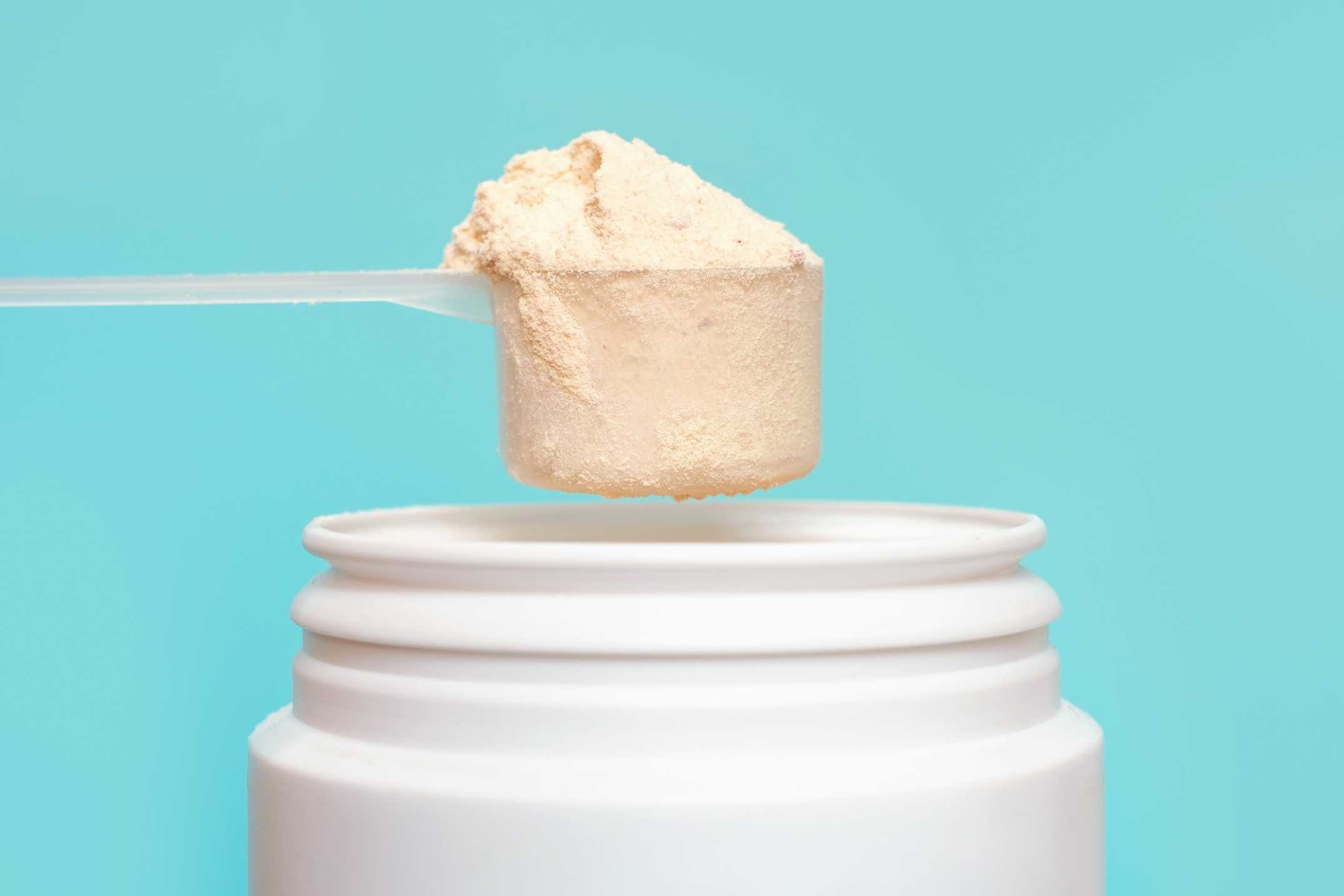
Raises the concentrate’s solids content, then dries it into a stable powder using spray, fluid bed or a combination of the two.
Permeate and effluent treatment
through AnaeroMBR. Whey is a documented feed for this system: a complete mix anaerobic digester paired with an ultrafiltration membrane that retains all solids, achieving 98%+ COD reduction and converting the fat and organic load in the leftover permeate and cleaning effluent into biogas, with no separate fat separation step needed beforehand.
Two considerations we build into the process design
Confirming the treatment route for whatever leaves the line as byproduct or residual stream, so nothing goes unaddressed.

Membrane and resin cleaning in place (CIP) cycles are specified to limit water and chemical use, not just to hit a cleaning standard.
Engineering detail
Which route a project needs is set by the specification the product has to meet, not by a default we apply to every plant. What that specification says points to one of the following:
Where the customer wants a general purpose ingredient and broad protein enrichment matters more than maximum purity, the route is a concentrate: membrane concentration on its own, with diafiltration added only where a higher protein figure is called for.
Where the specification sets a high protein purity, the route is an isolate, which adds ion exchange purification after concentration.
Where the specification caps mineral or ash content, whatever the protein level, the route is a demineralised product, reached by ion exchange or nanofiltration.
The membrane material is chosen against the stream’s fouling tendency and cleaning regime: hollow fibre and flat sheet for lower fouling duties, ceramic and silicon carbide for more aggressive cleaning and higher solids loads.
The dryer is chosen against the product’s heat sensitivity and the particle form specified, the same logic we apply across our drying systems generally.
Which Mini LNG solution suits your needs?
Selecting a train configuration is an engineering decision, not a purchasing one. We characterise the gas source, run feasibility and pre-feasibility studies, compare routes on capital and operating cost, and act as owner’s engineer while somebody else builds it if that suits you better.
How it works
Every LNG project has its own conditions and constraints that shape the final configuration. Glorinda’s role adapts to the project strategy, acting as EPC partner, engineering and procurement partner, procurement management partner, or owner’s technical representative.
01
Stream characterisation
Analysing the whey source, its volume, composition and current disposal route, to establish what the recovery system has to deliver.
02
Target product definition
Confirming the target product and grade, since that decision shapes everything that follows.
03
Process design
Specifying the equipment and the process sequence that takes raw whey to the confirmed target product.
04
Equipment integration
Bringing the equipment specified in the previous step together into a single process line, rather than installing each part as a standalone package.
05
Commissioning and start up
Bringing the line into operation and verifying it delivers the product specification agreed at the outset.
06
Byproduct and effluent route
Confirming the treatment route for whatever leaves the line as byproduct or residual stream, so nothing goes unaddressed.
Where whey extraction is used
Food & Pharma
Typical usages
- Retrofitting a recovery line onto an existing plant, added where the whey currently leaves for disposal ahead of the effluent system
- Designing whey recovery into a new build dairy facility from the outset
- Expanding a recovery line in phases as a higher grade becomes worth producing, without redesigning it each time
Frequently asked questions
Both. Glorinda Resins supplies the media on its own, and we also design, integrate and commission the complete system it runs in.
Headquartered and manufacturing in Wiesbaden, Germany, with a sales office in the Netherlands and branches in Portugal, Italy, Spain, Greece, Turkey, the Middle East, Africa and CIS.
Take this further
Send us the stream data, the discharge limit or the equipment list you are working from. An engineer reads every enquiry and replies with the questions that actually decide the solution — not a brochure.